How Architectural Solutions Transform Residential Architecture Into Stunning Living Spaces
Architectural solutions significantly influence property architecture, converting standard structures right into extraordinary space. Architects come close to each task with an unique point of view, concentrating on website analysis and client vision. They make use of advanced style tools to create functional designs and attractive aesthetics. This transformative procedure involves a lot more than aesthetic appeal. It elevates questions about sustainability, customization, and the evolving needs of property owners. What essential aspects add to this transformation?
The Role of Architects in Residential Layout
Lots of home owners visualize their excellent living areas, the duty of architects in household style is important for changing these visions into truth. Architects bring a distinct blend of creativity and technical expertise, making certain that the design lines up with the house owner's wishes while adhering to local structure codes and regulations. They perform thorough site analyses, considering variables such as topography, climate, and community context, which influence the layout's usefulness and sustainability.
Additionally, engineers convert abstract ideas into substantial strategies, using sophisticated software program to develop comprehensive plans and 3D designs. Their joint approach commonly entails engaging with customers throughout the process, refining designs to much better suit the property owner's way of living and choices. Ultimately, designers serve as both visionaries and issue solvers, stabilizing aesthetic aspirations with practicality, to develop magnificent and functional space that reverberate with the occupants' demands.
Cutting-edge Style Ideas for Modern Living
Architects play a crucial role not only in realizing property owners' visions but additionally in pushing the boundaries of what modern living can include. Cutting-edge layout principles are significantly shaping residential architecture, blending appearances with sustainability and performance. Open up layout, characterized by fluid areas, foster connection and flexibility, enabling families to engage with each other in a harmonious setting. Incorporating biophilic design, which stresses natural elements, improves well-being and creates a feeling of harmony within the home. Smart home innovation is an additional characteristic of modern design, flawlessly integrating convenience and power efficiency into day-to-day life. Furthermore, modular and versatile furniture options allow citizens to customize their space according to their progressing requirements. These ingenious concepts not just boost the visual allure of homes yet also produce an experience that prioritizes convenience, sustainability, and a link to the surrounding atmosphere, redefining modern living for today's property owners.
Enhancing Capability and Flow in Home Layouts
Exactly how can home owners accomplish a seamless mix of performance and circulation in their space? Architectural services play an essential duty in this undertaking by enhancing designs that advertise ease of movement and accessibility. By thoughtfully preparing areas and ensuring that connections in between spaces are smooth, engineers can develop a harmonious atmosphere.
Integrating open floor strategies frequently improves connection, enabling natural light to filter through and creating a sense of spaciousness. Strategic positioning of furnishings and fixtures further supports an efficient use room, ensuring that each area offers its objective without feeling confined.
Furthermore, architects think about traffic patterns, recommending pathways that minimize barriers and promote a logical sequence of movement throughout the home. By stabilizing aesthetic appeals with sensible design components, architectural services allow home owners to take pleasure in living rooms that are not only aesthetically enticing but likewise very practical, improving the overall experience of day-to-day life.
Sustainable Practices in Residential Architecture
Sustainable methods in residential design focus on the integration of environment-friendly products and energy-efficient solutions. By focusing on these aspects, engineers can produce homes that not only minimize ecological impact however likewise boost the health of their owners. This strategy reflects a growing commitment to sustainability within the industry.
Eco-Friendly Materials Use
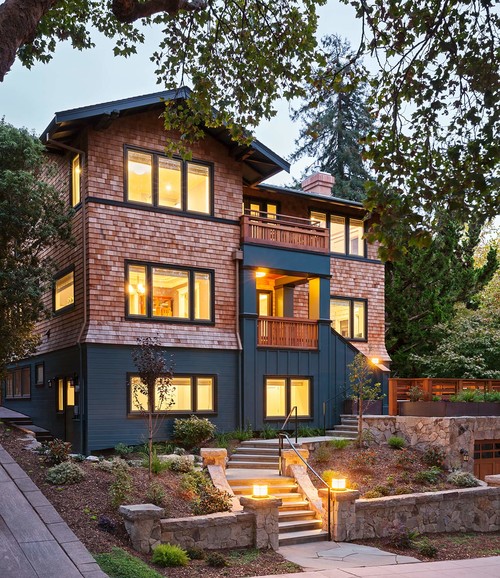
Power Efficiency Solutions
While numerous house owners look for aesthetic allure, power performance has actually come to be an important priority in domestic architecture. Architects progressively prioritize lasting practices by integrating sophisticated energy-efficient services into their styles. These services include correct insulation, energy-efficient home windows, and strategically positioned photovoltaic panels, all targeted at reducing energy consumption. Furthermore, modern-day heating and cooling systems, such as geothermal and solar-powered alternatives, add to decreasing environmental influence while making the go to my site most of convenience. Natural air flow and daylighting techniques are used to improve indoor air top quality and decrease dependence on artificial lighting. By adopting these energy-efficient methods, architects not just benefit property owners economically through lowered energy costs however additionally sustain wider sustainability goals, making certain that living rooms are both stunning and environmentally liable.
Boosting Curb Appeal and Outdoor Spaces
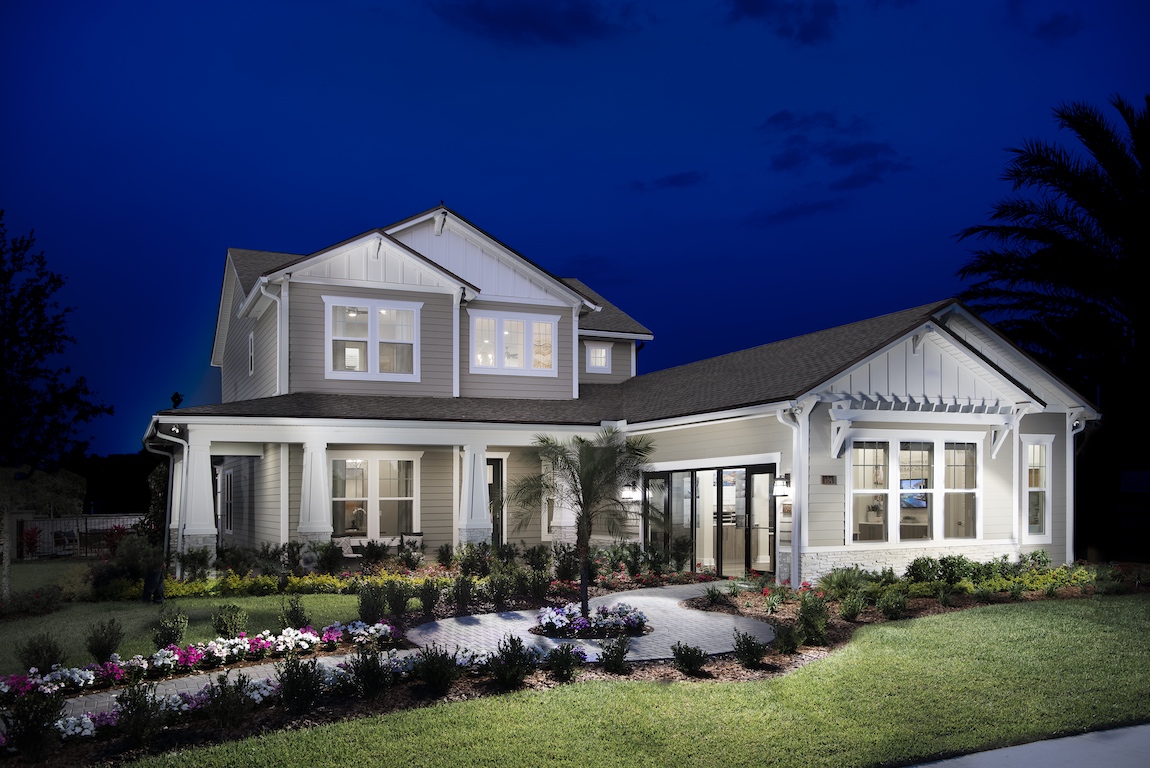
Thoughtful positioning of exterior attributes, such as patio areas, decks, and pathways, develops inviting locations for relaxation and mingling. These components are designed to flow flawlessly from the inside, urging a connection in between interior and exterior living.
Architects likewise emphasize the importance of illumination-- both practical and decorative-- to highlight architectural details during the night, more improving the home's allure. craftsman style house. In general, these methods not just improve the visual value of a building but also enhance its marketability and pleasure for read what he said residents and visitors alike
Customizing Interiors to Reflect Customer Lifestyles
Personalization is type in developing interiors that resonate with customers' lifestyles and preferences. Architects and developers take part in extensive examinations to understand individual needs, making sure that each room mirrors the homeowner's identity. This procedure frequently consists of examining everyday regimens, pastimes, and family members dynamics, which assists in crafting useful yet aesthetically pleasing settings.
Including personal components, such as artwork, shade schemes, and furnishings options, allows for a cohesive layout that feels distinctively customized. For example, an office might include ergonomic home furnishings and motivating decoration that accommodate an expert's process, while a family room might focus on convenience and entertainment alternatives.
Additionally, lasting materials and innovative technologies can be integrated to align with clients' values and desires. Inevitably, personalization transforms generic areas into dynamic, comfortable locations that improve the total lifestyle, making each home a true representation of its inhabitants.
Regularly Asked Questions
Just How Much Do Architectural Services Usually Expense for Residential Projects?
Architectural services for residential jobs normally range from 5% to 15% of the overall building and construction spending plan. Variables affecting his explanation costs include task intricacy, place, and the engineer's experience, influencing general pricing frameworks in the industry.
What Is the Normal Timeline for Completing a Residential Style Project?
The common timeline for finishing a residential design job differs however generally spans from several months to over a year, affected by factors such as job complexity, client choices, and the allowing process.
How Do Architects Team Up With Contractors Throughout Construction?
Architects collaborate with contractors via normal communication, sharing layout requirements and resolving obstacles. This collaboration assurances that building complies with the architectural vision, enhancing both performance and looks while fitting any essential modifications during the structure procedure.

What Are Usual Mistakes House Owners Make When Hiring a Designer?
Property owners often neglect the relevance of clear interaction concerning their vision, fail to investigate a designer's profile and experience, and neglect to establish a realistic budget, which can lead to misconceptions and unsuitable outcomes.
Can Architects Help With Getting Necessary Authorizations and Approvals?
Architects possess competence in guiding with the complex landscape of permits and approvals. They promote interaction with regional authorities, making certain conformity with guidelines, which enhances the procedure and reduces delays for home owners commencing construction projects.